
Quality Control and Testing Standards for Avia Fly game in UK
- Home / Info update / Quality Control and Testing Standards for Avia Fly game in UK

Gamers in the United Kingdom demand a fluid and realistic flight simulation https://flytakeair.com/avia-fly. Avia Fly Game knows that confidence stems from a stringent process of quality assurance and meticulous testing. Developing a game like Avia Fly encompasses complex systems: lifelike flight physics, multiplayer networks, and player progression. Guaranteeing all these pieces operate cohesively for every pilot, regardless of being a beginner in London or an expert in Edinburgh, is a field of its own. This article describes the detailed QA and testing protocols behind Avia Fly. It delineates the layered strategy used to find bugs, improve gameplay, and offer a consistent, pleasurable flight simulator that satisfies the high standards of UK players.
For Avia Fly Game, quality control is not an afterthought. It is a mindset woven into every part of the development process. This ‘quality-first’ approach means testers and developers work together from the earliest design sketches right through to post-launch updates. The goal is to catch issues early, which is far more effective than fixing critical bugs late. This method is particularly crucial for a sim game, where authenticity and precision are central to the experience. The team strives to build a product that works correctly but also feels authentic. It should feel right whether you’re flying a Cessna through the Highlands of Scotland or bringing a jetliner down at a virtual Heathrow. This commitment builds gamer trust and makes the Avia Fly name a mark of reliability in the competitive UK market.
To convert this philosophy into outcomes, Avia Fly Game uses a organized, multi-faceted testing plan. This plan analyzes every part of the game from diverse viewpoints to ensure nothing is neglected. The methods derive from industry best practices, but they are adapted for the specific demands of a flight simulator. The process is repetitive and cyclical: testing, reporting, fixing, and verifying. This builds a continuous feedback loop that steadily refines the game’s stability and refinement. Listed below are the core approaches that comprise the Avia Fly testing program.
Functional testing is the crucial first layer. It confirms that every game function operates as the designers planned. Testers systematically go through numerous of test cases. They check everything from basic aircraft controls and instrument displays to sophisticated weather models and airport traffic logic. For UK gamers, this includes verifying region-specific features. Quality assurance check the accuracy of notable British aerodromes, proper airspace zones, and localised radio traffic. They pose basic, important questions. Does the landing gear activate? Do the flight simulations react authentically in changing weather? Can a player properly accomplish a career task from Manchester to Birmingham? This detailed, methodical checking makes sure the core experience is dependable before more detailed testing commences.
The UK PC and console gaming landscape is packed of various hardware configurations. Ensuring broad support and solid performance is not unnecessary. Avia Fly Game maintains an extensive test facility with a diverse selection of hardware. This spans from high-end gaming PCs to more basic configurations and the latest gaming systems. Efficiency testing seeks for steady frame frequencies, optimal memory usage, and the elimination of hiccups. This is crucial during graphics intense sequences, like a stormy approach into London Gatwick. System testing makes sure the game runs effectively across different graphics card firmware, processor generations, and peripheral arrangements. This includes the common flight stick and throttle setups many UK simulation fans employ.
An Avia Fly build travels a specific pipeline from internal development to public launch. Each stage has particular goals and a expanding scope. This phased approach allows the team to manage risk and focus their efforts. Beginning with the basic, partial Alpha version, the game moves through Beta and into live service environment. Testing adjusts its focus at each step. This pipeline ensures that when the game reaches UK players, it has been examined under increasingly more authentic conditions.
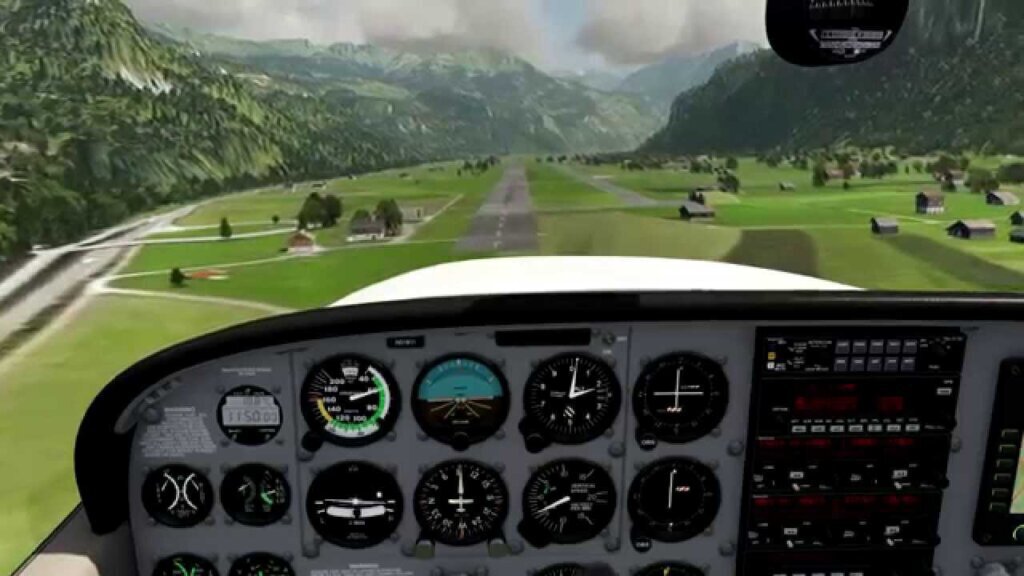

Alpha testing occurs completely in-house by the development and QA teams. At this stage, the game is typically unreliable. It can have placeholder art and unfinished features. The priority is on checking foundational systems individually—the flight engine, core physics, and basic networking. Testers perform “white-box” testing, with full knowledge of the game’s code. They push these systems to their limits to discover deep-seated technical problems. The goal is not to test the game as a user would. The goal is to crash it in every way possible. This guarantees the underlying architecture is robust enough to sustain the entire vision of Avia Fly before any external testers experience it.
Beta testing signals a significant change. A chosen group of outside players, often targeted by region, is called to take part. For Avia Fly, running beta tests with players from the UK is very beneficial. This phase introduces “black-box” testing. Users engage with the game as if it were ready, giving feedback on usability and fun. They uncover bugs that internal teams, who are extremely familiar with the project, could have missed. Critically, beta tests replicate live server traffic. They evaluate the infrastructure’s capability to handle numerous or a large number of active pilots. This is crucial for testing UK server nodes and guaranteeing seamless multiplayer and ranking functionality at launch.
Beyond standard game testing, Avia Fly requires a series of specialized tests unique to the simulation genre. These tests cover the specific expectations of simulation fans, a demographic that is highly knowledgeable and vocal in the UK. This specialised focus ensures the game offers on its promise of authenticity and immersion. That promise is essential for its lasting success and reputation within the community.
A dedicated physics and aerodynamics validation phase powers the quest of realism. The behavior of each aircraft is contrasted against actual performance data. Testers, sometimes with insight from aviation enthusiasts, assess factors like stall speeds at different weights, how flaps and gear impact drag, and engine performance curves. Environmental systems are also evaluated rigorously. Weather must not only appear convincing but impact aircraft handling in a believable way. A crosswind at a UK coastal airfield should present a genuine challenge. Audio fidelity is another key area. Cockpit sounds, engine notes, and ambient airport noises must be spatially accurate. They must also shift dynamically based on throttle position, speed, and camera view.
For a global title with a significant UK player base, localisation is more than translation. It entails a full cultural and technical adaptation. QA testers with local UK English expertise review all in-game text, tutorials, and voice-overs. They guarantee the phrasing sounds natural and the terminology corresponds to UK aviation conventions. Compliance testing is also crucial. This makes sure the game fulfills all regional legal and platform requirements for the UK market. This covers age ratings from the Video Standards Council (VSC), appropriate content, and correct consumer rights information. The outcome should be a flawless and compliant experience for British players.
The QA team’s job does not end when Avia Fly debuts. It transforms. The game functions as a live service, with regular updates, new content additions like extra UK airports or aircraft liveries, and seasonal events. Each update passes a condensed but concentrated QA cycle before it is deployed. This guarantees new content does not break existing systems, a process called regression testing. Meanwhile, the live operations team monitors game health around the clock. They use comprehensive dashboards that track key performance indicators like crash rates, matchmaking success, and server latency on European and UK nodes specifically.
Player feedback channels become vital sources of bug data. These include specific forums, social media, and in-game reporting tools. The QA team reviews these community reports. They prioritize critical issues that affect many players or severely impact gameplay. This establishes a cycle where the community actively assists polish the game. Resolving issues raised by the passionate UK flight sim community quickly and openly is key to building trust. It reflects a commitment to quality that continues long after the initial purchase.
The magnitude of modern game testing requires robust tools. Avia Fly Game’s QA department uses a blend of industry-standard software and custom-built solutions to improve efficiency and coverage. Automated testing scripts execute overnight to handle repetitive tasks. For example, they check that basic game functions still load after a new build. This allows human testers to zero in on exploratory testing and complex scenario validation. Bug tracking software, such as JIRA, is central to the process. It provides a optimized workflow for logging, assigning, and resolving issues. Key tools in their arsenal include:
Any QA process hinges on the skill and passion of the people doing the work. Avia Fly Game searches for testers who are not only systematic and precise. They must also have a real enthusiasm for aviation and simulation games. This domain knowledge is invaluable. A tester who understands the principles of flight is more inclined to spot inaccurate aircraft behaviour than one who does not. The company commits to continuous training. This ensures the team updated on new testing methods, tools, and advancements in gaming and simulation technology. The culture is cooperative. QA is seen as a crucial partner in development, not a final gatekeeper. This makes certain issues are reported well and addressed efficiently. It adds directly to the high standard of the final product that UK gamers enjoy.
Avia Fly runs a focused physics validation phase. In-game aircraft performance is matched against real-world pilot manuals and performance charts. The team studies reference materials and at times aviation enthusiasts. They assess factors like stall characteristics, climb rates, and fuel burn across various conditions. This satisfies the high expectations of experienced UK players.
UK players are participating during Beta testing phases. They provide critical feedback on gameplay, usability, and find location-specific bugs. Their reports on server performance, localisation accuracy, and the authenticity of UK airports are priceless. This assists tailor the experience for the regional audience before the full launch.
Every update passes a targeted QA cycle. This covers regression testing to make sure new features don’t break existing gameplay. The update is tested in environments that reflect the live servers. Specific checks are run on new assets, missions, or aircraft to ensure stability and performance before deployment to UK players.
Employ the in-game reporting tool if one is present. Alternatively, go to the official Avia Fly Game support portal. Giving clear details helps a lot. Specify the aircraft type, your area (for example, near London City Airport), and the procedures that triggered the bug. This assists the QA team diagnose and correct the problem efficiently.
The company keeps a extensive hardware lab. It includes a wide range of parts, from the latest GPUs to older, more entry-level setups. Efficiency and compatibility are tested across these configurations. This includes popular flight peripherals. The goal is a fluid gameplay for the wide UK community with varying system configurations.
Yes, Avia Fly generally maintains servers within the European region, including nodes optimised for UK connections. These are rigorously load-tested during Beta phases to handle high player numbers. They are also constantly tracked after launch for latency and consistency. This ensures optimal multiplayer performance for British pilots.
Building UK airports requires utilizing satellite data, aerial photography, and official airport diagrams. QA testers with knowledge of the regions validate the location of runways, taxiways, terminals, and key landmarks. Feedback from UK-based Beta testers is also vital. It helps catch inaccuracies and refines the visual and navigational details.